The Timeless Allure of British Surnames
When it comes to refinement and history, few things carry as much cultural weight as a traditional British surname. These names, echoing through centuries of nobility, craftsmanship, and legacy, tell the story of Britain itself — from the green pastures of Wales to the misty highlands of Scotland and the cobblestone streets of England. Whether you imagine the grandeur of King George V, the dignity of Queen Elizabeth II, or the polished accents of Downton Abbey, British last names naturally evoke sophistication and heritage.
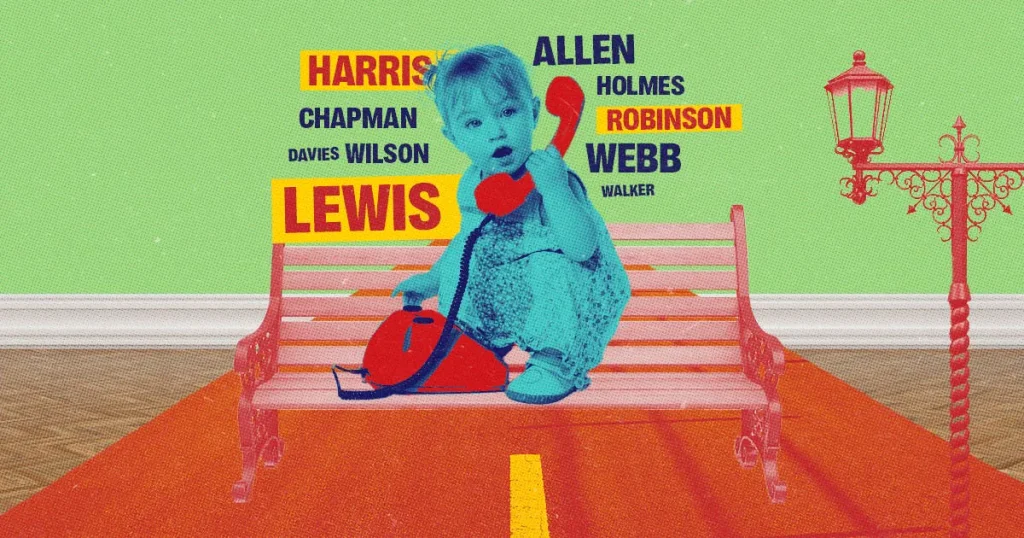
But these names aren’t only for the royals and scholars — many have evolved into elegant first names, beloved worldwide for their graceful sound and timeless meaning.
What Makes a British Last Name Special
British surnames often reflect the occupations, traits, or homelands of their earliest bearers. English names commonly stem from professions like Baker or Taylor, while Welsh and Scottish surnames have deeper Celtic roots, often derived from the natural world or ancestral connections. Over centuries, migration and colonization have spread these names far beyond Britain’s borders, making them familiar across North America, Australia, and beyond.
Interestingly, some surnames trace back to Hebrew, Germanic, or Latin origins, later adapted through English linguistic patterns. Their global presence today speaks to the long reach of British influence and the enduring charm of its language.
Classic British Last Names and Their Meanings
Here are some of the most traditional and recognizable British surnames, still cherished for their simplicity and dignity:
- Adams / Adamson – “Son of Adam,” from the Hebrew for man.
- Wilson – “Son of William,” meaning resolute protector.
- Burton – Derived from “fort settlement.”
- Harris – “Son of Harry or Henry,” meaning home ruler.
- Stevens – “Son of Steven,” meaning crown or wreath.
- Walker – An occupational name for someone who worked with cloth.
- Payne – Refers to a rustic or countryman.
- Owen – From Welsh Owain, meaning noble or well-born.
- Holmes – Refers to an island or river meadow.
- Chapman – “Merchant” or “trader,” one of medieval England’s earliest business names.
Each of these surnames carries not only linguistic value but also a glimpse into daily life in historical Britain — whether it was trade, agriculture, or noble lineage.
Distinctive Surnames with Noble Heritage
Beyond the familiar names like Smith, Brown, or Jones, many British surnames carry an aristocratic flair that suggests heritage and prestige.
- Knight – A title once reserved for warriors of honor.
- Griffiths – Meaning “strong chief,” rooted in Welsh pride.
- Armstrong – Literally “strong arms,” often given to powerful clansmen.
- Stewart – Derived from “warden” or “guardian of the estate,” famously linked to the royal House of Stewart.
- Campbell – A Scottish name meaning “crooked mouth,” associated with one of Scotland’s most influential families.
These surnames, once reserved for nobility or military elites, remain popular today for their dignified tones and bold meanings.
Rare and Elegant British Last Names
Some surnames have become rarities, yet they carry the lyrical beauty of ancient Britain. Their poetic origins and uncommon sounds make them perfect for anyone seeking distinction.
- Fernsby – “From the fern farmstead,” an Old English pastoral image.
- Quintrell – Meaning “horn” or “headland,” evoking the rugged coastline.
- Loughty – Referring to “a lake or inlet,” rooted in Scottish geography.
- Birdwhistle – Originating near the Lancashire and Yorkshire borders; a name of melody and landscape.
- Dankworth – “Farmstead” or “enclosed settlement,” reflecting early rural life.
Such names combine nature, locality, and artistry — a reminder of the deep connection between people and the land in Britain’s history.
Fancy British Last Names That Sound Effortlessly Regal
If you’re drawn to sophistication and a hint of old-world elegance, these surnames capture that refined charm. Many can double as striking first names or even modern brand names.
- Andilet – Meaning “messenger,” graceful and understated.
- Bancroft – “Field of beans,” a rustic yet aristocratic name.
- Cobain – “A rock star,” symbolizing creativity and strength.
- Carmichael – “Kind,” a name with Scottish warmth.
- Dalton – “Life path” or “valley town,” carrying a sense of purpose.
- Duke – “Leader,” fitting for one with natural charisma.
- Featherswallow – A rare, whimsical name that conjures flight and trade.
- Halifax – Meaning “cool,” and tied to a historic English town.
- Kennedy – “Leader of the clan,” steeped in both Scottish and Irish pride.
- Osborne – “God’s bear,” suggesting strength and faith.
Each of these names embodies the blend of tradition and modernity that defines British heritage — elegant, meaningful, and effortlessly refined.
The Enduring Legacy of British Surnames
British last names aren’t just identifiers; they’re living pieces of cultural history. They tell stories of occupation, migration, and identity — a bridge connecting generations. From Jones to Bancroft, these names have adapted and traveled, shaping identities across continents.
Choosing a British surname as a first or last name can offer more than aesthetic appeal — it’s an embrace of heritage, artistry, and legacy. Whether you’re exploring genealogy, creating a character, or finding the perfect baby name, British surnames remain a treasure trove of elegance and meaning.